Designing Vital Futures of Digital Work
As technology continues to reshape the way we work and live, we have access to more health knowledge, data, and smart products than ever before. Yet having these resources does not necessarily mean we have the ability to meaningfully integrate them into our daily work and life. We therefore developed SIDR to help knowledge workers and intervention developers co-create healthier and more sustainable ways of digital working.在技术发展持续重塑知识工作方式并深刻影响个体身心健康的当下,我们拥有越来越多的健康知识、数据与智能工具,却未必拥有将它们融入日常工作与生活的实践能力。因此我们专注于利用SIDR情境化的干预设计推理方法和设计工具包,支持年轻一代知识工作者与健康干预开发者共同理解并重新构建日常工作期间的身心活力干预。详情查阅我的研究报告Designing Vital Digital Workplaces in China: Research Report 2026 copy right Xiang Yu.
Why it matters Why me
Technology is reshaping how we work, learn, communicate, and make decisions. As AI and digital systems become increasingly embedded in everyday life, many contemporary challenges have moved beyond products themselves, becoming complex systemic issues that span individuals, communities, and society. In response, the role of design is also evolving—from creating isolated solutions to facilitating systemic change. Beyond products and services, design increasingly concerns itself with context, relationships, values, and the long-term impacts they create.During my PhD research in the Systemic Change group at Eindhoven University of Technology, I became interested in a recurring paradox. We have access to more advanced technologies, evidence-based recommendations, health policies, and intelligent products than ever before, yet many knowledge workers remain sedentary, overwhelmed, and exhausted. The problem, it seemed, was not simply a lack of knowledge or smart tools.This led me to a question that is both simple and often overlooked: if people already know what is good for their health, why do they so often choose otherwise? Through contextual inquiry and participatory research, I found that human decisions are shaped not only by rational judgement, but also by desires, relationships, identities, and situational constraints. Career ambitions, social expectations, a sense of achievement, belonging, and purpose often exert a stronger influence on everyday behaviour than health itself.This insight continues to shape my research and design practice at the intersection of preventive health, digital work, behaviour change, and participatory design. I explore how design can help people navigate the tensions between health, work, and everyday life, while imagining more vital and sustainable futures of work.
morbi malesuada. Dis vestibulum aliquam. Venenatis sociis vulputate ridiculus congue risus varius blandit. Tortor auctor tempor condimentum et eleifend.技术正在深刻改变人们工作、学习、沟通与决策的方式。随着人工智能和数字系统不断融入日常生活,越来越多的问题已超越产品本身,成为涉及个体、组织与社会的复杂系统挑战。面对这样的挑战,设计的角色也正在从创造单一解决方案走向促进系统变革。它不仅关注产品与服务的设计实现本身,更关注情境、关系、价值及其为社会带来的长期影响,在不同利益相关者之间建立连接,并探索更可持续、更具韧性的未来可能性。在荷兰爱因霍恩理工大学-系统变革小组攻读博士期间,我逐渐发现:不同学科都在解释职场久坐问题的一部分,却很少真正回答一个更根本的问题 “我们拥有越来越多先进的技术、科学建议、健康政策与智能产品,但为什么现实中的知识工作者依然久坐不起,越来越疲惫?” 问题似乎并不只是缺乏健康知识或者活力产品。我开始关注一个看似简单却经常被设计者与研究者忽略的问题:为什么许多时候,人们知道什么对健康有益,却依然选择久坐?在与目标群体的深度对谈中我逐渐领悟到:理性告诉我们应该如何行动,而现实中的选择却常常受到欲望、关系与情境的共同塑造。工作目标、社会期待、个人追求、成就感与归属感等因素,往往比健康本身更能影响工作者的日常行为决策。这一发现促使我持续探索设计的新角色与新方法。我的研究实践聚焦于预防性健康、数字办公、行为改变与参与式设计的交叉领域,关注如何利用设计框架与工具帮助人们在复杂情境中协调健康与工作之间的张力,并共同构想更具活力的未来工作与生活方式。
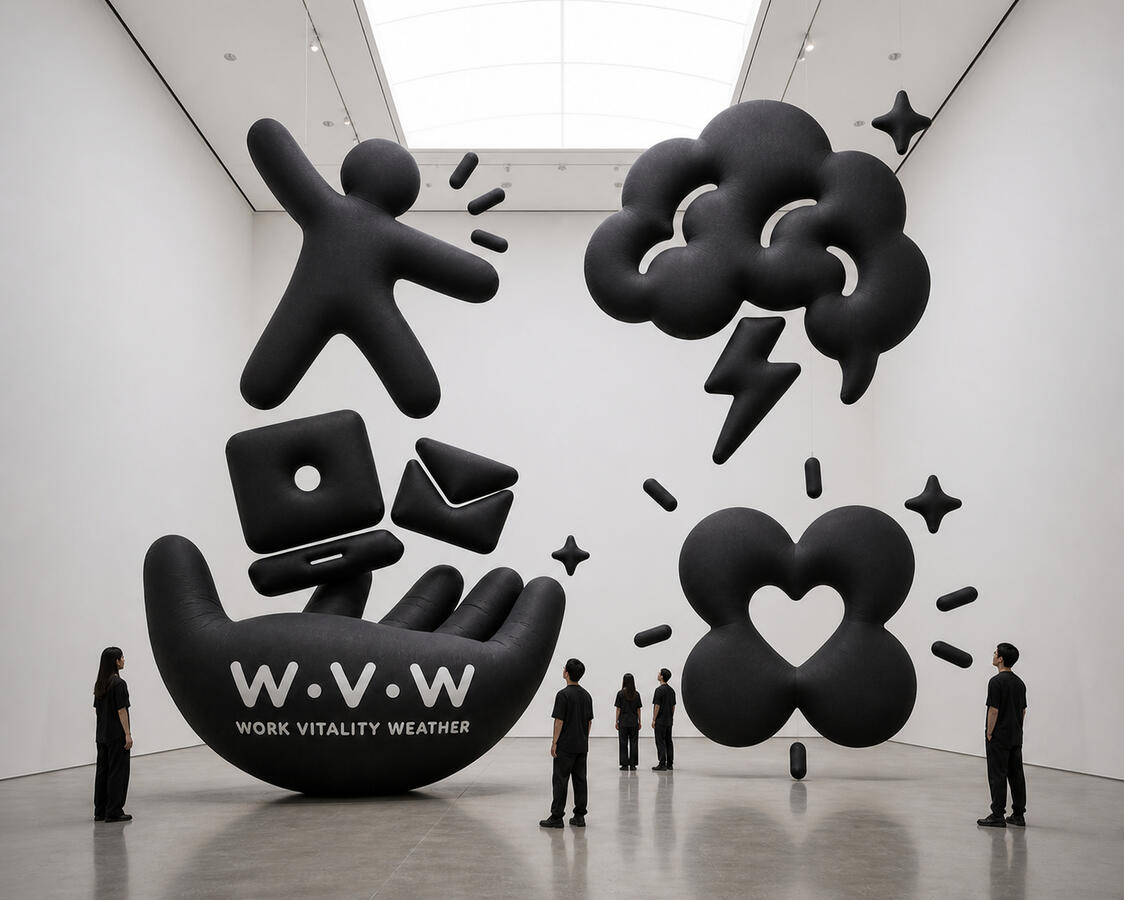


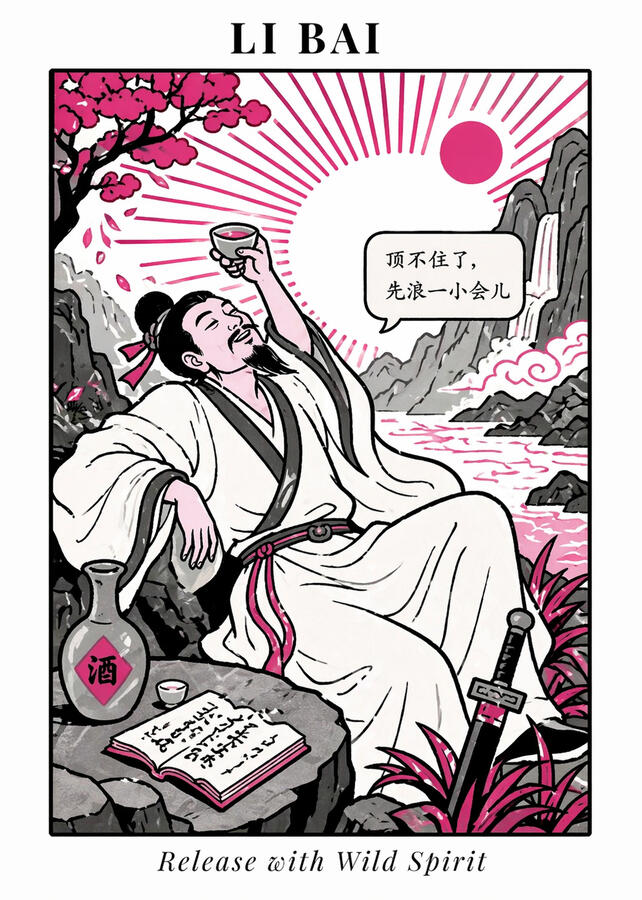
SIDR Framework
SIDR (Situational Intervention Design Reasoning) is a design framework for creating health interventions in complex work contexts. Structured around four dimensions—Situation, Acceptability, Alignment, and Construction—and four corresponding activities—Situation Sensitisation, Contextual Reflection, Vision Envisioning, and Intervention Construction—the framework helps designers explore what kinds of interventions can be meaningfully accepted, implemented, and sustained by individuals and communities in real-world situations. Rather than prescribing universal solutions, SIDR supports the design of interventions that are responsive to context, aligned with people's needs and aspirations, and capable of creating lasting impact over time.
SIDR (情境干预设计推理)是一个面向复杂工作情境的健康干预设计框架。它通过情境(Situation)、可接受性(Acceptability)、协调一致(Alignment)和构建(Construction)四个维度,以及情境敏化,情境反思,愿景设想和干预构建四类活动,帮助健康干预设计者探索什么样的干预能够在真实情境中被个人与社群接受、实施,并长期发挥作用。
Cases
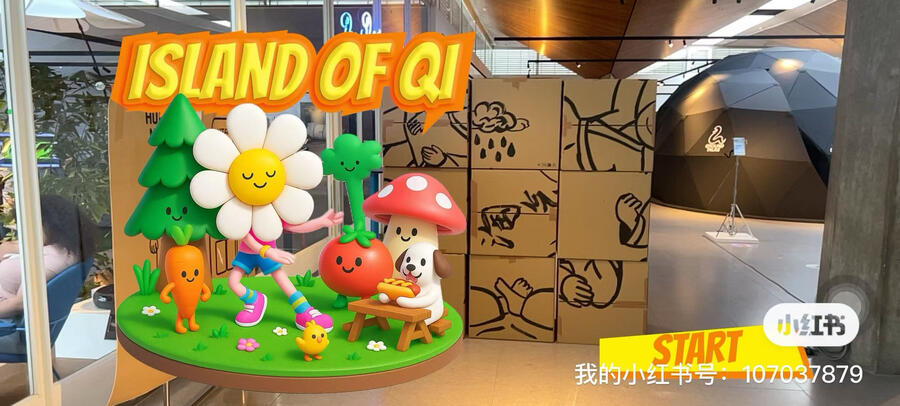
Morbi viverra justo semper laoreet dictum. Facilisis eleifend congue risus proto nullam vivamus. Malesuada gravida duis aliquam.
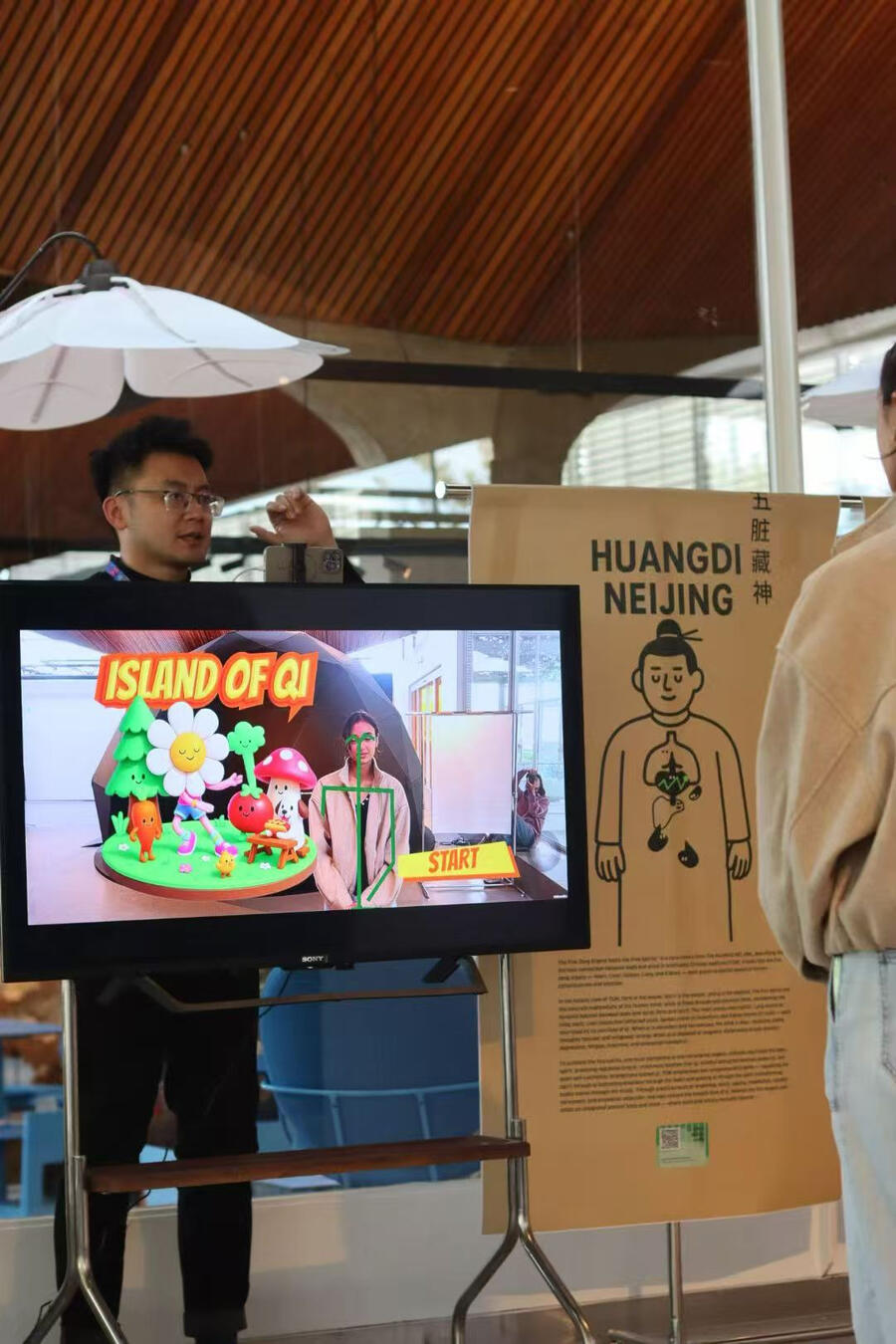
Text
Text